Fireworks are synonymous with celebration, from Independence Day to New Year’s Eve. However, their use is not without regulations. Understanding fireworks laws is crucial to ensuring safety and legality. Fireworks laws vary significantly depending on your location, with different rules at federal, state, and local levels. Knowing these laws before purchasing fireworks can prevent legal issues and ensure you enjoy your celebrations safely and responsibly.
Federal Fireworks Regulations
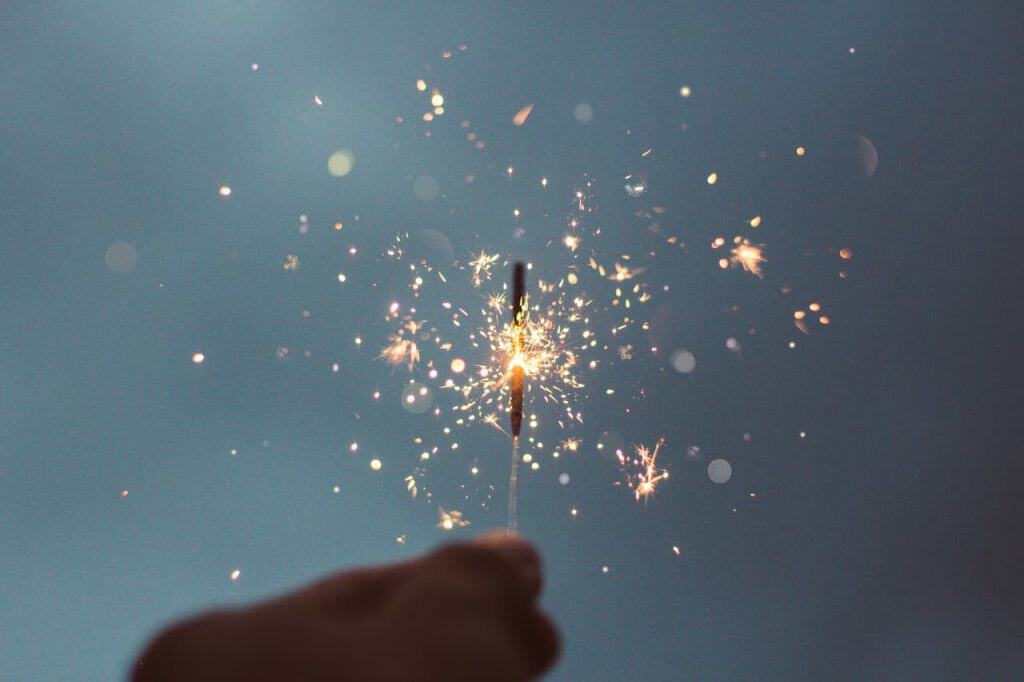
In the United States, federal laws set the groundwork for fireworks regulations. These laws, governed by agencies like the Consumer Product Safety Commission (CPSC) and the Bureau of Alcohol, Tobacco, Firearms and Explosives (ATF), classify and regulate the types of fireworks available to consumers. Consumer fireworks, often called “1.4G” fireworks, include items like sparklers, fountains, and small firecrackers. Professional or display fireworks, classified as “1.3G,” require special permits and are not available to the general public.
Federal regulations ensure that all legal fireworks meet specific safety standards. This includes proper labeling, performance testing, and limits on explosive content. The CPSC oversees the safety of consumer fireworks, ensuring they are constructed and function in a manner that minimizes risks to users.
State and Local Fireworks Laws
In addition to federal regulations, each state has its own fireworks laws, which can vary widely. Some states, such as California and Massachusetts, have strict laws that strictly limit or even ban consumer fireworks. Other states, such as Texas and South Dakota, have looser regulations allowing a wider range of fireworks for public use. These differences in legislation may be due to various factors such as climate conditions, wildfire risk and local residents’ preferences.
Local laws add another layer of complexity. State municipalities may impose their own restrictions, which may differ significantly from state laws. For example, while a state may allow certain fireworks, a city in that state may ban them entirely. Large cities and communities with high population densities often have stricter regulations to minimize the risk of injury and property damage. It is essential to check your local laws and regulations before purchasing fireworks. Government websites and local law enforcement agencies are good sources for up-to-date information on local fireworks laws.
Consequences of Violating Fireworks Laws
Violating fireworks laws can lead to serious legal repercussions. Penalties may include fines, confiscation of illegal fireworks, and even jail time, depending on the severity of the violation. Beyond legal consequences, using illegal fireworks poses significant safety risks. They are often not manufactured to the same safety standards, increasing the likelihood of accidents, injuries, and fires.
Illegal fireworks can also impact insurance and liability. Homeowners’ insurance policies may not cover damages caused by illegal fireworks, leaving you financially responsible for any harm caused. Real-life incidents, such as the 2020 explosion in Ontario, California, which resulted in deaths and extensive property damage, underscore the dangers and severe consequences of illegal fireworks.
Safe and Legal Fireworks Practices
To ensure that you are buying legal fireworks, buy them from reputable dealers who follow all safety rules and regulations. Make sure fireworks are properly labeled and certified by the U.S. Consumer Product Safety Commission (CPSC). This ensures that the products meet established safety and quality standards.
Safe storage and handling of fireworks is also important. Store them in a cool, dry place, away from heat and open flame. Make sure fireworks are out of the reach of children and pets. Never attempt to disassemble or modify fireworks, as this may lead to unpredictable consequences.
Always follow safety precautions when using fireworks. Light off fireworks in an open area, away from buildings, trees and other flammable materials. Keep a bucket of water or garden hose on hand in case of a fire or other emergency. Set off fireworks one at a time, making sure other people are at a safe distance.
Never re-ignite unexploded fireworks. Let them cool and then soak them in water before disposing of them. This will prevent accidental fires and ensure safe disposal of waste. Following these simple rules will help you enjoy the holiday without endangering yourself and others.
Understanding and adhering to fireworks laws is essential for a safe and enjoyable celebration. By familiarizing yourself with federal, state, and local regulations, you can ensure that your use of fireworks is both legal and safe. Always prioritize safety and legality to make your festivities memorable for all the right reasons.